
Revolutionizing Smiles The Latest Technologies Transforming Dental Clinics for Faster Care
Dental clinics have seen remarkable changes in recent years, driven by new technologies that speed up treatments and improve patient experiences. These advancements help dentists work more efficiently while offering better care. This post explores some of the most important technologies reshaping dental clinics today and how they make dental visits faster and more comfortable.

Digital Imaging and 3D Scanning
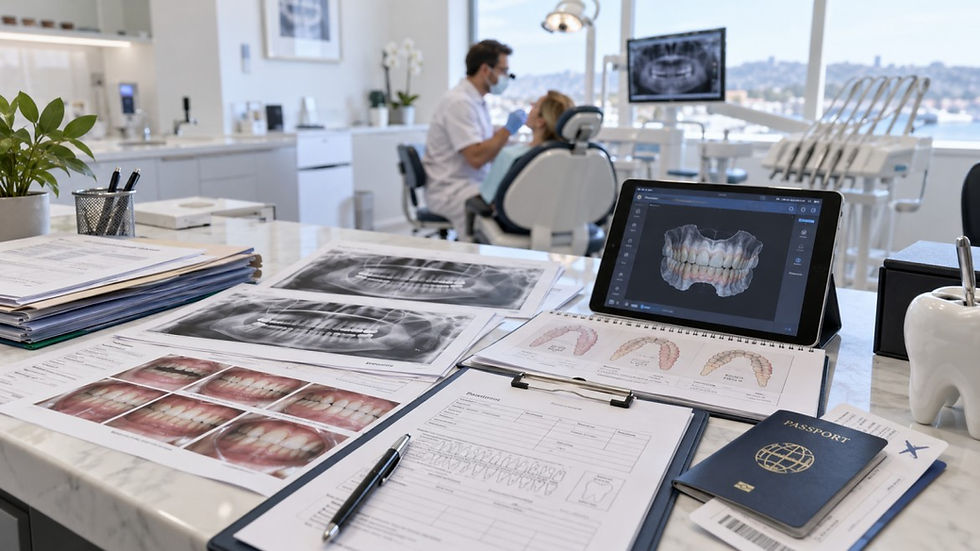
Traditional dental impressions can be uncomfortable and time-consuming. Digital imaging and 3D scanning have replaced these methods in many clinics. These tools capture precise images of teeth and gums within minutes. Dentists use this data to create accurate models for crowns, bridges, and orthodontic devices without the need for physical molds.
3D scanners reduce the number of appointments needed because the digital files can be sent directly to dental labs. This speeds up the production of restorations and appliances. Patients benefit from shorter chair times and fewer visits.
CAD/CAM Technology for Same-Day Restorations
Computer-Aided Design and Computer-Aided Manufacturing (CAD/CAM) systems allow dentists to design and produce dental restorations like crowns and veneers on-site. This technology eliminates the wait for lab work, enabling same-day treatment.
Using CAD/CAM, a dentist can scan a tooth, design a restoration on a computer, and mill it from ceramic or composite material in the office. This process often takes just a couple of hours, compared to days or weeks with traditional methods. Faster restorations mean less disruption for patients and quicker relief from dental problems.
Laser Dentistry for Precision and Speed
Lasers have become a valuable tool in dental clinics for procedures such as cavity removal, gum reshaping, and teeth whitening. Laser dentistry offers several advantages over traditional drills and scalpels:
Less pain and bleeding
Reduced need for anesthesia
Faster healing times
More precise treatment
Because lasers minimize tissue damage, patients often experience shorter recovery periods. This allows dentists to complete treatments more quickly and schedule follow-up visits sooner.
Intraoral Cameras for Better Diagnosis and Communication
Intraoral cameras are small devices that capture high-resolution images inside the mouth. These images help dentists spot problems early and explain conditions clearly to patients. By showing patients real-time pictures of their teeth, dentists can improve understanding and trust.
This technology speeds up diagnosis by providing detailed views without the need for X-rays in some cases. It also helps dentists plan treatments more accurately, reducing the chance of errors and repeat visits.
Teledentistry for Remote Consultations
Teledentistry has grown in popularity, especially after the COVID-19 pandemic. It allows patients to consult with dentists remotely using video calls and digital tools. This technology speeds up access to care by eliminating travel time and waiting room delays.
Patients can receive initial assessments, follow-up advice, and even some types of monitoring without visiting the clinic. Teledentistry is especially useful for people in rural areas or those with mobility challenges.
Artificial Intelligence in Treatment Planning
Artificial intelligence (AI) is beginning to play a role in dental care by analyzing images and patient data to assist with diagnosis and treatment planning. AI algorithms can detect cavities, gum disease, and other issues with high accuracy.
By supporting dentists with quick, data-driven insights, AI helps reduce the time needed to develop treatment plans. This technology also improves outcomes by identifying problems that might be missed during manual reviews.
Streamlined Patient Management Systems
Modern dental clinics use digital patient management systems to handle appointments, records, billing, and communication. These systems reduce administrative tasks and minimize errors.
Patients benefit from faster check-ins, reminders, and easy access to their dental history. Clinics can schedule treatments more efficiently, reducing wait times and improving overall workflow.


What a nice blog. what is the specific technologies which you are using at your clinics?