
Flying After Dental Surgery: What International Patients Should Know
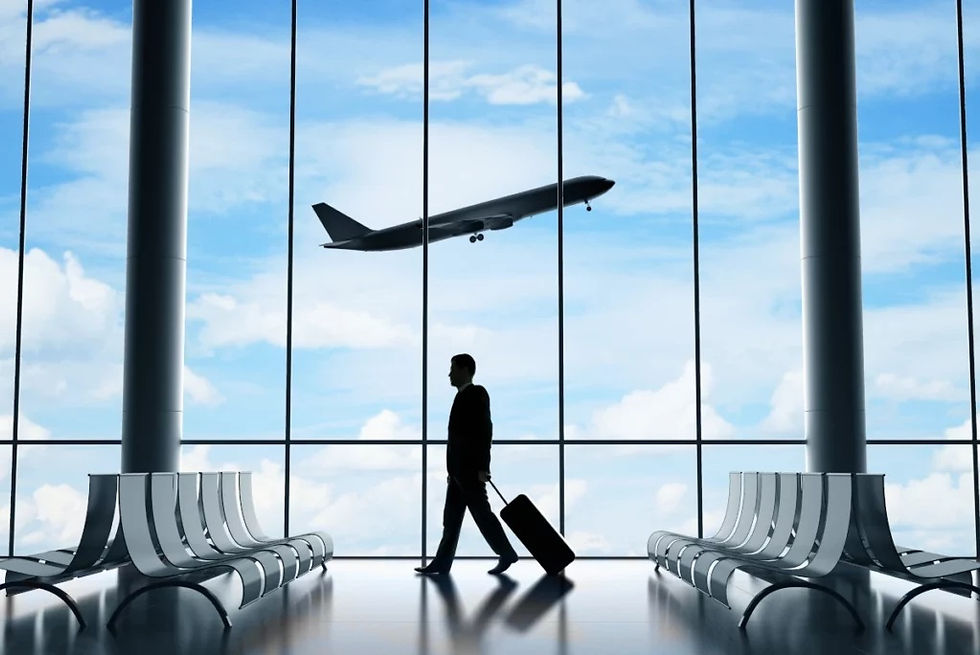
Many international patients choose to travel abroad for dental treatments, but one important question often comes before booking a return flight: when is it safe to fly after treatment? Flying after dental surgery requires careful planning because recovery time depends on the type of procedure, the complexity of the surgery and the individual healing process. Procedures such as tooth extraction, dental implants, bone grafting and oral surgery may require different recovery periods before air travel.
This guide explains what international dental patients should know before flying home after treatment. You will learn how air travel can affect recovery, what precautions can reduce discomfort, which symptoms require professional advice and how to plan your journey safely after dental procedures.
How Flying After Dental Surgery Affects Your Recovery Process
After dental surgery, the body needs time to begin healing and manage changes caused by the procedure. Flying after dental surgery is not always a problem, but certain factors such as swelling, bleeding risk, medication needs and the type of treatment can influence whether travel is appropriate. A dental professional should evaluate your specific situation before you finalize travel plans.
Air pressure changes during a flight can create discomfort for some patients, especially after procedures involving the upper jaw, sinus area or more complex oral surgeries. In addition, long flights may make it harder to maintain hydration, medication schedules and proper oral care.
Understanding these factors helps international patients avoid unnecessary complications and make better travel decisions after receiving dental treatment abroad.
Why Air Pressure Matters After Dental Procedures
During air travel, cabin pressure changes as the aircraft climbs and descends. For many dental procedures, this change does not cause serious problems, but patients who have undergone certain treatments may experience increased sensitivity or discomfort.
Potential concerns include:
Pressure-related discomfort around treated areas
Increased awareness of swelling or tenderness
Difficulty managing discomfort during a long flight
Challenges accessing dental care while traveling
Patients who have undergone procedures involving sinus proximity, such as some upper jaw implant treatments, may need specific advice from their dentist before flying.

When Is Flying After Dental Surgery Safe for International Patients?
The ideal time to travel after dental treatment depends on the procedure performed and how your body responds to treatment. There is no universal waiting period that applies to every patient because healing varies between individuals. A simple dental procedure may require much less recovery time compared with surgical treatments involving implants, bone grafts or multiple extractions.
Before arranging international travel, patients should discuss their flight schedule with their dentist. A professional evaluation can help determine whether the surgical site is stable, whether swelling is controlled and whether additional follow-up is necessary.
The following factors usually influence travel recommendations:
Type of dental surgery performed
Presence of swelling, bleeding or infection
Complexity of the procedure
Need for follow-up appointments
Distance and duration of the flight
Overall health condition
Flying After Dental Surgery Following Common Dental Treatments
Different dental procedures have different recovery considerations. Patients should understand that dental tourism requires coordination between treatment dates and travel plans. Scheduling a flight too soon may create unnecessary stress during the early healing stage. also, here you can read more about Is Georgia Safe for Dental Treatment?
Dental Procedure | Main Travel Concern | Important Consideration |
Tooth extraction | Bleeding and discomfort | Allow enough time for initial healing and follow dentist instructions |
Dental implants | Healing and implant stability | Follow the implant dentist’s travel recommendations |
Bone grafting | Swelling and surgical healing | May require additional recovery planning |
Wisdom tooth removal | Pain and swelling management | Long flights may be uncomfortable soon after surgery |
Cosmetic dental procedures | Sensitivity and adjustment period | Confirm when normal activities can resume |
Preparing for Flying After Dental Surgery Abroad
International patients often need to coordinate dental treatment with flights, accommodation and recovery time. Proper preparation before leaving the dental clinic can make the journey more comfortable and reduce avoidable problems.
Before travelling, patients should receive clear instructions about medication, oral hygiene, diet restrictions and follow-up care. Keeping important dental information available during travel is also useful, especially when returning to another country.
A good preparation plan should include:
Confirming travel timing with your dentist
Understanding your medication schedule
Keeping prescribed medicines in hand luggage
Avoiding activities that may interfere with healing
Knowing which symptoms require urgent dental advice
What International Patients Should Pack After Dental Surgery
A travel preparation checklist may include:
Prescribed medications
Dentist contact information
Treatment records if available
Comfortable drinking water access during travel
Recommended oral care products
Having these items prepared can help patients feel more confident when travelling after dental treatment abroad.
Risks and Warning Signs When Flying After Dental Surgery
Although many patients travel successfully after dental procedures, it is important to recognize symptoms that may indicate the need for professional advice. Flying after dental surgery should be postponed if a patient experiences uncontrolled symptoms or if the dentist recommends additional recovery time.
Ignoring warning signs may make recovery more difficult, especially when the patient is far away from the dental clinic where the procedure was performed.
Contact your dentist before flying if you experience:
Persistent bleeding from the surgical area
Increasing swelling instead of gradual improvement
Severe or worsening pain
Signs of infection such as unusual discharge or fever
Difficulty following post-operative instructions
Patients who notice these symptoms should seek professional guidance before travelling internationally.
How to Plan Dental Tourism and Flying After Dental Surgery Successfully
Dental tourism requires more planning than a local dental appointment because patients must consider treatment schedules, recovery periods and international travel arrangements. Successful dental trips are usually based on realistic timelines rather than scheduling treatment and flights too closely together.
Patients should ask their dental provider about expected recovery milestones before booking return flights. This allows enough flexibility if additional healing time or a follow-up appointment becomes necessary.
Questions to Ask Your Dentist Before Flying After Dental Surgery
Before leaving the country where you received treatment, ask:
Is my surgical site healing normally?
Is it safe for me to take a long flight now?
Do I need a follow-up appointment before travelling?
What symptoms should I monitor during my journey?
What should I do if I experience discomfort after returning home?
Clear communication with your dental team helps create a safer and more predictable recovery experience.
Conclusion about Flying after dental surgery
Flying after dental surgery requires thoughtful planning, especially for international patients who receive treatment abroad and need to travel home. The safest approach is to consider the type of dental procedure, recovery progress and professional recommendations before arranging flights.
By communicating with your dental team, preparing necessary medications and understanding possible warning signs, you can reduce travel-related concerns and support a smoother recovery process. A well-planned dental journey does not end when the procedure is completed; proper aftercare and responsible travel planning are important parts of achieving successful results.
Get Your Personalized Dental Treatment Plan with alo-dr
Frequently Asked Questions About Flying After Dental Surgery
Can I fly immediately after dental implant surgery?
The appropriate time depends on the complexity of the implant procedure and your individual healing condition. Your implant dentist should confirm when air travel is suitable.
How long after tooth extraction can I fly?
The recovery period varies depending on the extraction difficulty and your healing progress. Patients should confirm travel timing with their dentist, especially for long international flights.
Is flying after dental surgery dangerous?
For many patients, air travel after dental treatment is possible when recovery is progressing normally. However, certain procedures and symptoms may require additional precautions.
What should I do if I have pain during a flight after dental treatment?
Follow your dentist’s instructions, keep prescribed medication accessible and contact your dental provider if symptoms become severe or unexpected.


Comments