
Sinus Lift Recovery: Everything You Need to Know
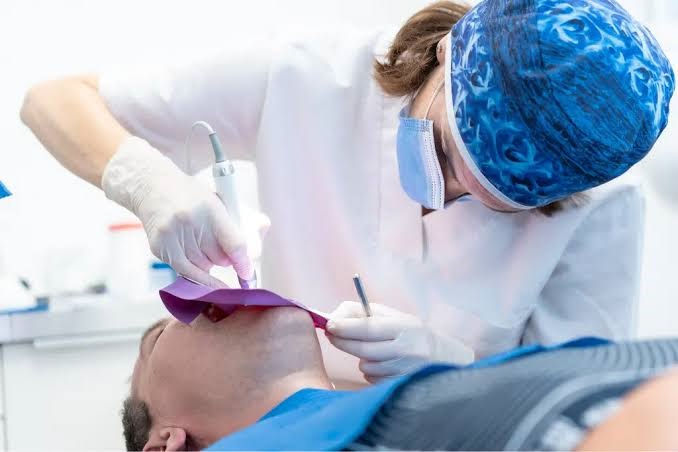
Understanding Sinus Lift Recovery is one of the most important parts of preparing for a successful healing process after sinus augmentation surgery. Many patients have questions about how long recovery takes, what symptoms are normal, which activities should be avoided and when they can continue their dental treatment. Having accurate information helps reduce anxiety and allows patients to protect the surgical area during the healing period.
The recovery process after a sinus lift depends on several factors, including the surgical technique, amount of bone graft material used, individual healing ability and overall oral health. This guide explains the recovery timeline, essential aftercare instructions, common concerns and practical tips to support a smoother healing experience.
What to Expect During Sinus Lift Recovery After Surgery
Sinus Lift Recovery is a gradual healing process that requires patience and careful attention to post-operative instructions. Unlike routine dental procedures, sinus augmentation involves the area close to the maxillary sinus, which means protecting the surgical site from pressure and irritation is especially important during the early healing stage.
Immediately after surgery, patients may experience symptoms such as swelling, mild discomfort, bruising or a feeling of pressure around the treated area. These symptoms are generally part of the normal healing response, but they should gradually improve over time.
The recovery experience can vary depending on:
The type of sinus lift procedure performed
The amount of bone graft material placed
Individual healing response
Following post-operative instructions
Existing oral health conditions
Common Symptoms During Sinus Lift Recovery
During the first days after surgery, some temporary changes may occur. Understanding which symptoms are expected can help patients avoid unnecessary concerns while also recognizing when professional advice may be needed. Also, here you can read about Dental Tourism in Georgia
Common short-term symptoms may include:
Mild swelling around the cheek area
Bruising near the surgical site
Feeling of pressure around the sinus area
Minor discomfort
Slight bleeding or oozing shortly after surgery
Patients should monitor their recovery progress and contact their dental provider if symptoms become worse instead of gradually improving.
Sinus Lift Recovery Timeline: What Happens Week by Week
The timeline for Sinus Lift Recovery differs from person to person because bone healing is a biological process that cannot be rushed. While soft tissues may begin improving within days or weeks, the development of new bone in the grafted area generally requires a longer period.
A dentist evaluates healing through follow-up appointments and, when necessary, imaging examinations. This evaluation helps determine when the area is ready for the next stage of dental treatment, such as implant placement.
Recovery Stage | What Patients May Experience | Recommended Care |
First few days | Swelling, discomfort and pressure sensation | Rest, follow medication instructions and protect the surgical area |
First week | Gradual improvement of swelling and sensitivity | Maintain oral hygiene according to professional guidance |
Several weeks | Continued tissue healing | Attend follow-up appointments and avoid unnecessary pressure |
Several months | Bone maturation and evaluation | Dentist determines readiness for further treatment |
How Long Does Sinus Lift Recovery Usually Take?
The total healing period after a sinus lift depends on the individual case. Soft tissue healing often occurs earlier, while the bone graft area requires additional time to develop sufficient stability.
Patients should understand that feeling better does not always mean the bone has completely healed. The internal healing process continues after external symptoms improve, which is why follow-up evaluations are an important part of treatment planning.
Aftercare Tips for Better Sinus Lift Recovery
Proper aftercare plays an important role in protecting the surgical area and supporting normal healing. Following instructions after sinus augmentation helps reduce unnecessary pressure on the sinus membrane and allows the grafted area to recover properly.
Patients should focus on maintaining good oral hygiene, managing discomfort correctly and avoiding activities that may interfere with healing. Every patient receives personalized instructions based on their procedure, so recommendations from the dental professional should always be prioritized.
Important aftercare steps include:
Taking prescribed medications as directed
Keeping the mouth clean according to instructions
Avoiding pressure changes in the sinus area
Eating appropriate foods during early recovery
Attending scheduled check-ups
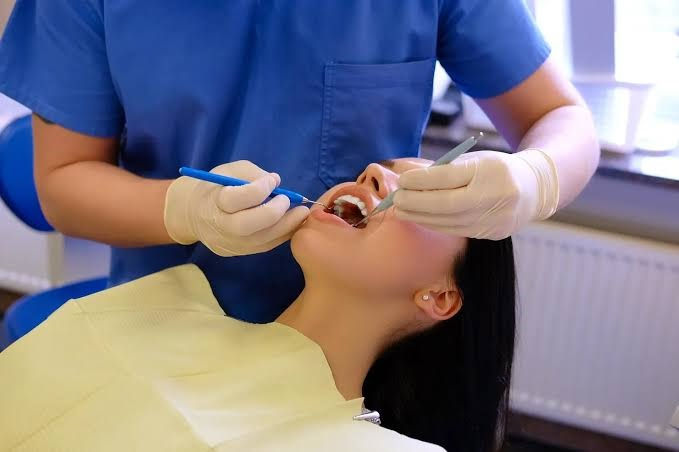
What to Avoid During Sinus Lift Recovery
Certain activities can create pressure or irritation in the healing area. Avoiding these habits during the recommended recovery period can help reduce complications.
Patients are commonly advised to avoid:
Forceful nose blowing
Smoking or tobacco use
Heavy physical activity during the early recovery period
Touching or disturbing the surgical area
Ignoring unusual symptoms
Activities should be resumed gradually based on healing progress and professional recommendations.
Diet and Lifestyle Recommendations for Sinus Lift Recovery
Nutrition and daily habits can influence comfort and overall healing after surgery. During Sinus Lift Recovery, choosing appropriate foods can reduce irritation and make it easier to maintain proper nutrition while the surgical area is sensitive.
Patients should avoid foods that require excessive chewing or may place unnecessary pressure on the treated area during the early recovery phase. Staying hydrated and maintaining balanced nutrition can support the body’s natural healing processes.
Recommended Foods After Sinus Lift Recovery
Suitable food choices may include:
Soft foods that require minimal chewing
Nutrient-rich meals
Foods at a comfortable temperature
Adequate fluids
Patients should follow any specific dietary instructions provided by their dental professional.
Problems During Sinus Lift Recovery and How to Manage Them
Although many patients experience normal healing after sinus augmentation, some concerns may appear during recovery. Knowing the difference between expected symptoms and warning signs helps patients respond appropriately. Also, here you can read about Why Dental Work Is Affordable in Georgia
The following table identifies common concerns and practical guidance:
Patient Problem | Possible Reason | Recommended Action |
Increased swelling after several days | Possible irritation or healing concern | Contact the dental provider for evaluation |
Persistent severe pain | May require professional assessment | Do not ignore worsening discomfort |
Sinus pressure or unusual symptoms | Healing response or sinus-related issue | Follow professional guidance |
Difficulty following aftercare instructions | Lack of preparation | Ask the dental team for clarification |
Returning to Normal Activities After Sinus Lift Recovery
Returning to regular activities depends on how the body heals and what type of procedure was performed. Some patients can resume normal daily routines relatively quickly, while others may need additional restrictions.
Physical activities, exercise routines and travel plans should be discussed with the dental professional, especially during the early healing phase. Protecting the surgical area is more important than returning to activities too quickly.
Patients should consider:
Their current symptoms
Type of surgery performed
Dentist recommendations
Healing progress during follow-up visits
Conclusion about Sinus Lift Recovery
Sinus Lift Recovery requires patience, proper care and attention to professional instructions. While the healing process may take time, understanding what to expect can help patients feel more confident and avoid behaviors that may interfere with recovery.
Following recommended aftercare steps, maintaining healthy habits and attending follow-up appointments are essential parts of protecting the surgical area. A successful recovery depends not only on the procedure itself but also on how carefully the patient supports the healing process afterward.
Frequently Asked Questions About Sinus Lift Recovery
How long does Sinus Lift Recovery take?
Recovery time varies depending on the procedure and individual healing factors. Soft tissue healing may occur earlier, while bone maturation generally requires more time.
Is pain normal during Sinus Lift Recovery?
Some discomfort and swelling can be expected after surgery. However, severe or worsening pain should be discussed with a dental professional.
What should I avoid after a sinus lift?
Patients are generally advised to avoid activities that increase sinus pressure, such as forceful nose blowing, and should follow their dentist’s specific instructions.
When can dental implants be placed after sinus lift recovery?
The timing depends on bone healing and individual treatment conditions. A dentist evaluates the area before deciding when implant placement is appropriate.


Comments