
What Dental Records Should You Prepare Before Dental Treatment Abroad?
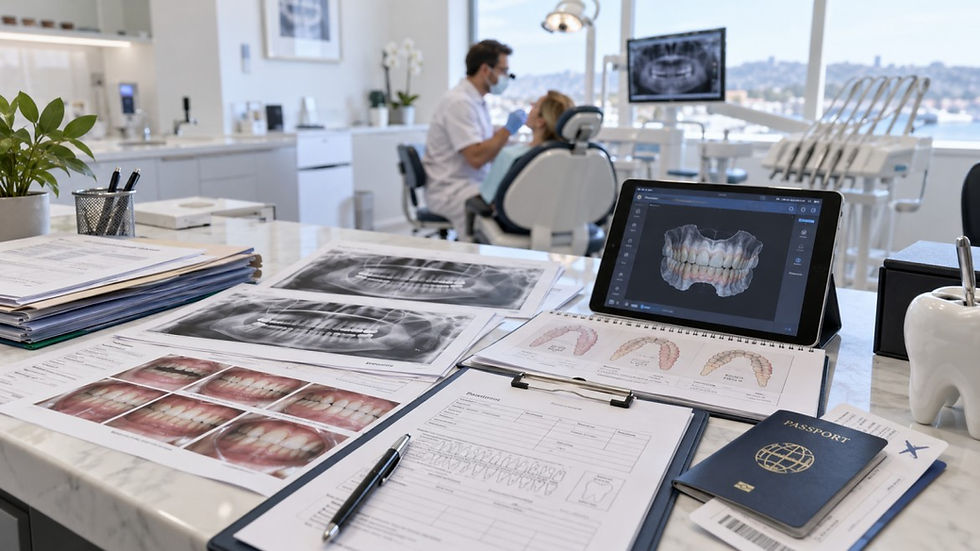
Preparing for dental treatment in another country involves more than choosing a dental clinic and arranging travel plans. Before a dentist can evaluate your condition and create a suitable treatment approach, they need accurate information about your oral health history, previous procedures, and current dental problems. Having complete dental records for treatment abroad allows the dental team to understand your situation before your arrival and provide a more accurate initial assessment.
Many international patients are unsure about what documents they should collect before contacting a foreign dental clinic. Some patients only provide a recent dental image, while others forget to mention previous treatments, existing medical conditions, or medications they take. Incomplete information can make treatment planning more difficult and may require additional examinations after arrival.
This guide explains the most important dental records for treatment abroad, including dental X-rays, scans, treatment history, medical information, and other documents that can help dentists evaluate your needs. Preparing these records in advance can make communication easier, reduce unnecessary delays, and help you have a more organized dental treatment experience abroad.
Why Are Dental Records for Treatment Abroad Important?
When patients travel internationally for dental care, dentists often need to evaluate their condition before the first appointment. Unlike visiting a local dentist where an immediate physical examination is possible, dental tourism usually begins with online communication and reviewing patient information remotely. For this reason, accurate documentation plays an important role in creating an effective treatment plan.
Complete dental records for treatment abroad help dentists understand the current condition of your teeth, identify possible challenges, and determine which diagnostic steps may be necessary. These records provide a clearer picture of your oral health and allow the dental team to prepare recommendations based on your actual needs rather than general assumptions.
Providing detailed dental information before traveling can also improve the efficiency of the treatment process. When the clinic receives enough information in advance, they can estimate the required procedures, arrange appointment schedules, and prepare the necessary resources before your arrival.
For patients considering procedures such as dental implants, veneers, crowns, orthodontic treatment, or full-mouth rehabilitation, having complete records becomes even more important because these treatments usually require careful planning and evaluation.
What Information Should Be Included in Dental Records for Treatment Abroad?
The content of dental records for treatment abroad depends on the type of treatment a patient needs. A person planning a simple dental restoration may require fewer documents compared with someone who needs implant surgery or complex cosmetic dentistry. However, most international dental clinics need a combination of diagnostic information and personal dental history to understand the patient’s condition properly.
Dental records should provide a complete overview of your oral health rather than focusing only on one specific problem. A single X-ray or short description may not show previous treatments, underlying conditions, or factors that could affect the success of future procedures.
Preparing organized and updated records allows the dentist to review your case more efficiently and provide more accurate guidance before you travel. It also helps prevent misunderstandings between the patient and the dental clinic during the treatment planning stage.

Dental X-rays and Diagnostic Images
Dental imaging is one of the most valuable parts of dental records for treatment abroad because it allows dentists to evaluate areas that cannot be examined visually. X-rays and scans provide information about tooth roots, bone condition, existing restorations, infections, and other hidden dental issues.
The type of imaging required depends on the planned procedure. For example, patients considering dental implants may need more detailed scans to evaluate bone structure, while patients seeking cosmetic treatments may require different types of dental images.
Common dental imaging records may include:
Panoramic dental X-rays
Periapical X-rays
Bitewing X-rays
CBCT scans when required for advanced treatment planning
The images should ideally be recent and clear enough for the dentist to make an accurate evaluation. Old or low-quality images may not reflect the current condition of your teeth and may require repeating after arrival.
Previous Dental Treatment History
A detailed record of previous dental treatments helps international dentists understand what procedures have already been performed. This information is especially important for patients who have undergone multiple treatments or experienced previous dental complications.
Your dental history can help the dentist determine which options are suitable and avoid unnecessary repetition of previous procedures. It also provides important information about existing crowns, fillings, implants, root canal treatments, or other restorations.
Important details that may be included in your dental history are:
Previous dental surgeries
Root canal treatments
Tooth extractions
Existing crowns or bridges
Dental implants
Orthodontic treatment history
Previous dental problems or complications

What Additional Medical Information Should Be Included in Dental Records for Treatment Abroad?
When preparing dental records for treatment abroad, many patients focus only on dental images and forget that general health information can also affect dental treatment decisions. Dentists need to understand your overall medical condition because some health conditions, medications, or previous surgeries may influence the choice of treatment, healing process, or precautions required during dental procedures. Here you can red more about How to Compare Dental Clinics Abroad: A Patient Safety Checklist
Providing accurate medical information helps the dental team identify possible risks before treatment begins. For example, certain medications, allergies, or medical conditions may require special planning or additional communication between the patient and dentist. Sharing this information in advance allows the clinic to prepare a safer and more personalized treatment approach.
A complete medical background is especially important for patients planning more complex procedures such as dental implants, oral surgery, or full-mouth rehabilitation. The dentist should have enough information to evaluate whether any additional considerations are necessary before starting treatment.
Important medical details that may be requested by an international dental clinic include:
Current medications and supplements
Known allergies or reactions to medications
Previous surgeries or major medical conditions
Chronic health conditions
History of dental anesthesia reactions
Relevant medical reports if available
Dental Photographs and Scans Required for Treatment Planning Abroad
Visual information is another important part of dental records for treatment abroad because photographs allow dentists to examine details that may not be fully visible through written descriptions alone. High-quality dental photographs help the clinic evaluate the appearance of teeth, gums, smile characteristics, and existing dental concerns before the patient travels.
For cosmetic dental treatments such as veneers, crowns, smile design, or aesthetic restorations, photographs are particularly valuable. They help the dentist understand the patient’s expectations and compare the current dental condition with the desired treatment outcome.
Patients should provide clear images taken from different angles. Poor lighting, blurry photos, or incomplete views may limit the dentist’s ability to make an accurate initial evaluation.
Common dental photographs requested by clinics may include:
Front view of the smile
Teeth visible while smiling
Upper and lower teeth views
Side views of the teeth
Close-up images of specific dental problems
When possible, photographs should be taken in good lighting and without filters or editing to ensure the dentist receives realistic information.
How to Organize Your Dental Records Before Contacting an International Dental Clinic
Organizing your dental records for treatment abroad before contacting a clinic can make the consultation process faster and more effective. Many delays happen because patients send information in different messages, forget important documents, or provide incomplete details about their dental history.
A well-prepared record package allows the dental team to review your case more efficiently and provide clearer feedback. Instead of exchanging multiple messages to collect missing information, the clinic can evaluate your situation with a more complete understanding of your needs.
Before sending your documents, it is helpful to organize everything in a clear format. Digital copies should be named properly, and important information should be easy for the dental team to find.
A simple organization method can include:
Document Type | Purpose | Why It Is Important |
Dental X-rays | Shows teeth roots and bone structure | Helps evaluate hidden dental conditions |
CBCT scan | Provides detailed 3D imaging | Useful for implant and complex treatment planning |
Dental history | Explains previous procedures | Helps avoid unsuitable treatment decisions |
Medical information | Provides overall health details | Helps identify possible treatment considerations |
Dental photographs | Shows current oral appearance | Supports remote evaluation and cosmetic planning |
Common Problems Patients Face When Preparing Dental Records for Treatment Abroad
Many international dental patients experience uncertainty when collecting documents before treatment. They may not know which files are necessary, whether their existing X-rays are acceptable, or how much information the dental clinic needs before providing a treatment plan.
Understanding these common challenges can help patients prepare better and avoid delays. A complete record does not necessarily mean collecting every medical document available; it means providing the information that is relevant to the planned dental procedure.
The following table highlights common problems and practical solutions:
Patient Problem | Why It Happens | Recommended Solution |
Unsure which dental documents to send | Lack of information about international dental requirements | Ask the clinic for a specific document checklist |
X-rays are too old | Dental conditions may have changed over time | Provide recent imaging when requested |
Missing treatment history | Previous procedures were not documented | Write a summary of past dental treatments |
Poor-quality dental photos | Images cannot show important details clearly | Take clear photos in good lighting |
Forgetting medical information | Patients focus only on dental issues | Include medications, allergies, and health conditions |
Why Complete Dental Records Help Create a Better Treatment Plan Abroad
A successful dental treatment journey depends on effective communication between the patient and the dental team. Complete dental records for treatment abroad provide the foundation for this communication by giving dentists a clearer understanding of the patient’s condition before an in-person appointment.
When a clinic receives detailed information in advance, dentists can prepare more relevant recommendations and discuss possible treatment options with greater accuracy. This does not replace an in-person examination, but it helps create a more informed starting point for the treatment process.
For international patients, proper preparation can also improve the overall experience. Knowing that the dental team has already reviewed important information can reduce uncertainty and help patients feel more confident before traveling.
How Dental Records Support Different Types of Dental Treatment Abroad
The type of dental records for treatment abroad required depends on the procedure a patient is considering. Different treatments involve different planning requirements, and dentists need specific information to evaluate whether the proposed procedure is suitable.
For example, implant treatment usually requires detailed information about bone structure and existing oral conditions, while cosmetic treatments often require photographs and smile analysis. Orthodontic procedures may require additional records related to tooth position and jaw alignment.
Providing the correct documents based on the planned procedure allows the dental team to prepare a more relevant treatment approach and avoid unnecessary delays.
Dental Treatment Type | Commonly Needed Records | Purpose |
Dental implants | X-rays, CBCT scans, dental history | Evaluate bone condition and implant planning |
Veneers and smile design | Dental photos, smile images, treatment goals | Assess aesthetic requirements |
Crowns and bridges | X-rays, existing restoration details | Evaluate tooth structure and restoration needs |
Root canal treatment | Dental X-rays and symptoms information | Understand tooth condition |
Orthodontic treatment | Photos, scans, previous orthodontic records | Evaluate alignment and treatment planning |
Preparing Complete Dental Records for Treatment Abroad: A Final Checklist
Before traveling for dental care, reviewing your documents one final time can help ensure that the dental clinic has the information needed for an effective consultation. A complete record package does not guarantee that no additional examination will be required, but it provides a stronger foundation for treatment planning.
Patients should remember that every dental case is different. The dentist may request additional records depending on the complexity of the procedure, the patient’s oral condition, and the information already provided.
A final checklist before sending your documents:
Recent dental X-rays or scans
Clear dental photographs
Previous treatment history
Medical information and medication details
Description of your dental concerns and expectations
Contact information and preferred communication method
Conclusion: Prepare Your Dental Records Before Starting Treatment Abroad
Having complete dental records for treatment abroad is one of the most important steps for anyone considering international dental care. Proper documentation helps dentists understand your oral condition, evaluate possible treatment options, and prepare a more organized treatment plan before your arrival.
Dental X-rays, photographs, previous treatment history, and relevant medical information provide a clearer picture of your needs and improve communication between you and the dental team. Taking time to collect and organize these records can reduce delays and make your dental tourism experience more predictable.
Before traveling, always follow the specific requirements of your chosen dental clinic, because different procedures may require different types of information. A well-prepared patient can begin the treatment journey with better understanding and greater confidence.
Frequently Asked Questions About Dental Records for Treatment Abroad
What are the most important dental records for treatment abroad?
The most important records usually include dental X-rays, diagnostic scans, dental photographs, previous treatment history, and relevant medical information. The exact requirements depend on the type of dental procedure planned.
Can I start planning dental treatment abroad without sending my dental records?
You can contact a dental clinic without complete records, but providing detailed information helps the dentist evaluate your situation more accurately and prepare a more suitable initial treatment plan.
How recent should dental X-rays be before treatment abroad?
The required timeframe depends on the type of treatment and your dental condition. Many clinics prefer recent images because older X-rays may not represent your current oral health status.
Are dental records enough to finalize my treatment plan before traveling?
Dental records help with initial evaluation and planning, but an in-person examination may still be necessary before finalizing certain treatments or procedures.



Comments