
What Is Tooth Sensitivity? Causes, Symptoms, and Prevention Guide
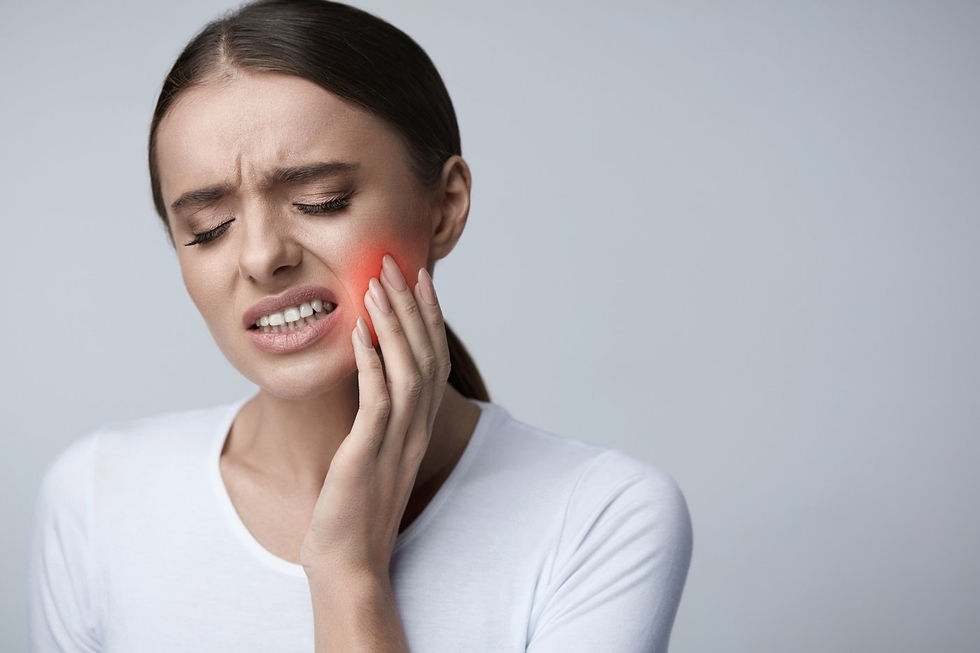
Tooth sensitivity is one of the most common dental problems that affects people of different ages. Many people experience a sudden sharp pain when they eat something cold, drink a hot beverage, consume sweet foods, or breathe in cold air. This discomfort may last for a few seconds, but it can affect daily activities and make eating or drinking unpleasant.
Tooth sensitivity usually happens when the protective layers of the teeth become weaker and the inner part of the tooth becomes exposed to external triggers. Although sensitivity is often temporary and manageable, it can sometimes indicate underlying dental problems that require professional attention.
Understanding the causes, symptoms, and prevention methods of this problem can help protect teeth and prevent the problem from becoming more serious.
What Is Tooth Sensitivity and Why Does It Happen?
Tooth sensitivity occurs when the inner layer of the tooth, known as dentin, becomes exposed. Dentin contains tiny channels connected to the nerves inside the tooth. When these channels are exposed to temperature changes or certain foods, they can transmit signals that create a sharp sensation of pain.
A healthy tooth is protected by:
Enamel: The hard outer layer that protects the tooth.
Gum tissue: Protects the roots of the teeth.
Cementum: Covers and protects the tooth root.
When enamel wears down or gums move away from the tooth surface, the dentin becomes exposed, increasing the risk of tooth sensitivity.
Common signs of tooth sensitivity include:
Sudden sharp pain when drinking cold or hot beverages
Discomfort when eating sugary foods
Pain while brushing or flossing
Sensitivity to cold air
Short-term but repeated tooth pain
Common Causes of Tooth Sensitivity
There are several reasons why tooth sensitivity develops. Identifying the cause is important because the right prevention method depends on the reason behind the sensitivity. The most common causes of tooth sensitivity include enamel wear, gum recession, tooth decay, and sensitivity after certain dental procedures.
Enamel Wear
Tooth enamel is the hardest substance in the human body and acts as a protective shield for your teeth. However, despite its strength, enamel can gradually become thinner due to daily habits and repeated exposure to damaging factors. Once enamel starts wearing away, the sensitive layer beneath it (dentin) becomes less protected, making teeth more likely to react to cold, heat, pressure, or sweet foods.
Many people unknowingly damage their enamel through habits that seem harmless. For example, tooth enamel can gradually wear down because of:
Brushing teeth too aggressively
Using a hard-bristle toothbrush
Frequent consumption of acidic foods and drinks
Teeth grinding during sleep
Gum Recession
Healthy gums play an important role in protecting teeth, especially the roots. Unlike the visible part of the tooth, the root surface is not covered by enamel. Instead, it is protected by a softer layer called cementum, which does not provide the same level of protection.
When gums begin to move away from the teeth, the root surface becomes exposed. This exposure allows hot, cold, sweet, or acidic substances to reach sensitive areas more easily, leading to tooth sensitivity.
Gum recession can happen gradually, so many people do not notice it until they start experiencing discomfort. In some cases, people may notice that their teeth look longer or that sensitivity occurs near the gum line. Factors that may contribute to gum recession include:
Gum disease
Poor brushing technique
Aging
Excessive pressure during brushing
Treating the underlying gum problem and improving oral care habits can help reduce discomfort and protect exposed areas.
Tooth Decay
Tooth decay is another common reason why people experience tooth sensitivity. When bacteria in the mouth combine with food particles, they create plaque. These bacteria produce acids that gradually weaken the tooth structure.
In the early stages, tooth decay may not cause noticeable symptoms. However, as decay progresses through the enamel and reaches deeper layers of the tooth, it can affect the dentin and create sensitivity. When a tooth has extensive damage and cannot be preserved, dentists may recommend tooth replacement options. Learn more about dental implants as a long-term solution for missing teeth.
A person with decay-related tooth sensitivity may notice:
Sharp pain when consuming cold or hot foods
Sensitivity when eating sweets
Discomfort while biting or chewing
Pain that becomes more frequent over time
Although sensitivity does not always mean you have a cavity, it should not be ignored, especially if it affects only one tooth or continues for a long period. A dental examination can determine whether the sensitivity is caused by decay or another issue.
Dental Treatments
Some people experience temporary tooth sensitivity after certain dental procedures. This type of sensitivity is usually not a sign of damage; instead, it is often the result of temporary irritation or changes in the tooth structure during treatment.
Dental procedures that may temporarily increase sensitivity include:
Professional teeth cleaning
Teeth whitening treatments
Restorative dental procedures
This type of sensitivity is usually temporary and improves over time.
How to Prevent Tooth Sensitivity
Preventing tooth sensitivity is mainly about protecting the parts of your teeth that are vulnerable to damage. Many people try to manage sensitivity only after they start feeling pain, but in most cases, simple daily habits can significantly reduce the risk of developing sensitive teeth in the first place.
Small changes in your oral care routine can make a big difference. Brushing correctly, choosing the right dental products, being careful with acidic foods, and having regular dental check-ups can help prevent discomfort and protect your teeth for the long term.
Maintain Proper Oral Hygiene
One of the most effective ways to prevent tooth sensitivity is maintaining a consistent oral hygiene routine. When plaque builds up on teeth, bacteria can produce acids that weaken enamel and increase the risk of cavities and gum problems. Both of these issues can contribute to sensitivity.
However, oral hygiene is not only about brushing more often. The way you brush is equally important. To protect your teeth and reduce the risk of tooth sensitivity, follow these habits:
Brush your teeth twice a day: Regular brushing helps remove plaque and bacteria before they can damage the tooth surface.
Use gentle brushing techniques: Apply light pressure and use small circular movements instead of aggressive scrubbing.
Choose a soft-bristle toothbrush: Soft bristles are effective at cleaning teeth while reducing unnecessary wear on enamel and gums.
Clean between your teeth: Flossing or using interdental cleaners helps remove plaque from areas that a toothbrush cannot reach.
A healthy cleaning routine protects the enamel and gums, reducing the chances of developing conditions that lead to tooth sensitivity.
Protect Your Tooth Enamel
Tooth enamel is the first line of defense against tooth sensitivity. Once enamel is worn away, the body cannot naturally rebuild it, so protecting the enamel you already have is extremely important.
Many daily habits can slowly weaken enamel without causing immediate symptoms. Over time, these habits may expose the dentin underneath and make teeth more reactive to temperature changes and certain foods.
You can help protect your enamel by:
Avoiding brushing immediately after consuming acidic foods or drinks
Limiting frequent exposure to acidic beverages
Drinking water after acidic meals or drinks
Avoiding using teeth as tools to open packages or bite hard objects
Wearing a mouthguard if you grind your teeth during sleep
Protecting enamel does not mean avoiding all foods you enjoy. Instead, it means reducing repeated exposure to factors that gradually weaken the protective surface of your teeth.
Be Careful With Acidic Foods and Drinks
Acidic foods and drinks are among the common factors that can contribute to enamel erosion and tooth sensitivity. Acids soften the enamel surface, and frequent exposure can make teeth more vulnerable over time.
Common acidic items include:
Soft drinks
Energy drinks
Citrus fruits and juices
Sports drinks
Vinegar-based foods
Drinking acidic beverages throughout the day exposes your teeth to acid repeatedly, increasing the risk of enamel damage. To reduce the effect of acids:
Drink water after consuming acidic foods or drinks
Avoid holding acidic drinks in your mouth for a long time
Use a straw when drinking acidic beverages when appropriate
Wait before brushing after acidic consumption
These simple habits can help preserve enamel strength and lower the risk of tooth sensitivity.
Use Products Designed for Sensitive Teeth
For people who already experience tooth sensitivity, choosing the right oral care products can help reduce discomfort. Some toothpastes are specifically formulated for sensitive teeth and contain ingredients that help block pathways in exposed dentin.
These products may help reduce the sharp pain caused by:
Cold drinks
Hot foods
Sweet foods
Cold air exposure
However, it is important to understand that sensitivity toothpaste does not treat every cause of tooth sensitivity. If sensitivity is caused by tooth decay, gum disease, cracks, or another dental condition, the underlying problem still needs professional attention.
Avoid Teeth Grinding and Excessive Pressure on Teeth
Teeth grinding, also known as bruxism, can place excessive force on teeth and contribute to enamel damage. Many people grind their teeth during sleep without realizing it, but over time this habit can increase the risk of cracks, enamel wear, and tooth sensitivity. Signs that you may be grinding your teeth include:
Jaw discomfort in the morning
Worn or flattened tooth surfaces
Increased sensitivity
Frequent headaches
If teeth grinding is a problem, a dentist may recommend solutions such as a custom mouthguard to reduce pressure and protect the teeth during sleep.
Reducing unnecessary pressure on teeth helps preserve enamel and lowers the risk of sensitivity-related discomfort.
Visit Your Dentist Regularly
Regular dental check-ups play an important role in preventing tooth sensitivity because many causes of sensitivity develop gradually and may not be visible at home. If tooth sensitivity becomes persistent, severe, or is associated with deep tooth damage, professional evaluation may be necessary. In some cases, problems affecting the inner part of the tooth may require endodontic treatment to address the source of pain.
A dentist can identify early signs of:
Enamel erosion
Cavities
Gum recession
Cracks in teeth
Other conditions that may cause sensitivity
Early detection allows problems to be managed before they become more serious. Instead of only treating sensitivity symptoms, a dental professional can help identify and address the actual reason behind the discomfort.
If you experience persistent tooth sensitivity, especially if it affects only one tooth or continues for a long time, a dental examination is recommended.
Conclusion about Why Do Teeth Become Sensitive
Tooth sensitivity is a common condition that often develops because the protective layers of teeth become damaged or weakened. Enamel wear, gum recession, cavities, and certain dental treatments can all contribute to sensitivity.
Maintaining good oral hygiene, protecting enamel, and addressing dental problems early are important steps for reducing tooth sensitivity. If sensitivity continues or becomes painful, professional dental advice can help identify the real cause and prevent further complications.
Frequently Asked Questions About Tooth Sensitivity
Is tooth sensitivity a sign of a serious dental problem?
Not always. Mild tooth sensitivity can happen because of enamel wear or temporary irritation. However, ongoing sensitivity may indicate cavities, gum problems, or other dental issues.
Can tooth sensitivity go away on its own?
Temporary sensitivity may improve, especially after certain dental treatments. However, persistent tooth sensitivity usually requires identifying and addressing the cause.
Does brushing harder help reduce tooth sensitivity?
No. Brushing too aggressively can damage enamel. Gentle brushing with proper technique is recommended.
What foods can trigger tooth sensitivity?
Cold drinks, hot foods, sugary items, and acidic foods can trigger tooth sensitivity in many people.


Comments