
Tooth Decay: Causes, Stages, Symptoms, and Prevention Guide
Tooth decay is one of the most common dental problems that affects children and adults around the world. Many people think tooth decay starts only when they feel pain, but the process usually begins much earlier. In many cases, damage to the tooth structure develops slowly without noticeable symptoms, and by the time discomfort appears, the decay may have already progressed.
Understanding tooth decay is important because early prevention and detection can protect your natural teeth and reduce the risk of more complex dental problems. The good news is that most cases of tooth decay can be prevented with proper oral hygiene, healthy eating habits, and regular dental check-ups.
In this guide, we will explain how tooth decay develops, what causes it, the different stages of damage, the symptoms you should pay attention to, and the steps you can take to keep your teeth healthy.
What Is Tooth Decay and How Does It Develop?
Tooth decay is a gradual process in which the hard structure of a tooth becomes damaged due to acids produced by bacteria in the mouth. These bacteria are naturally present in the oral environment, but when they combine with food particles and sugars, they create a sticky layer called plaque.
When plaque remains on the teeth for a long time, bacteria use sugars from food and drinks to produce acids. These acids slowly remove minerals from the tooth surface and weaken the enamel, which is the protective outer layer of the tooth.
At the beginning, tooth decay may only affect the enamel and may not cause any pain. However, if the process continues without treatment, the damage can move deeper into the tooth and eventually affect the dentin and the inner pulp where nerves and blood vessels are located.
The development of tooth decay usually follows this process:
Bacteria build up in dental plaque.
Acids begin attacking tooth enamel.
The enamel becomes weaker and damaged.
The decay reaches deeper layers of the tooth.
Pain, infection, or other complications may develop.
The Stages of Tooth Decay
Tooth decay does not happen overnight. It develops gradually through different stages, and the symptoms often become more noticeable as the damage progresses. Knowing these stages can help you recognize problems earlier and seek dental advice before the condition becomes more serious.
If you would like to learn more about dental implants in cases of bone loss, you can read Can You Get Dental Implants with Bone Loss? Treatment Options Explained.
Stage 1: Early Enamel Damage
The first stage of tooth decay begins when acids from bacteria start removing minerals from the enamel. At this point, the tooth surface may become weaker, but there may not be any visible cavity or pain.
Many people are unaware of this early stage because there are usually no obvious symptoms. Sometimes, small white spots may appear on the teeth, which can indicate mineral loss.
At this stage, the damage may still be controlled with proper care, including:
Improving brushing and flossing habits
Using fluoride toothpaste
Reducing frequent sugar consumption
Visiting a dentist for evaluation
Early attention can help prevent the decay from progressing further.
Stage 2: Enamel Breakdown and Cavity Formation
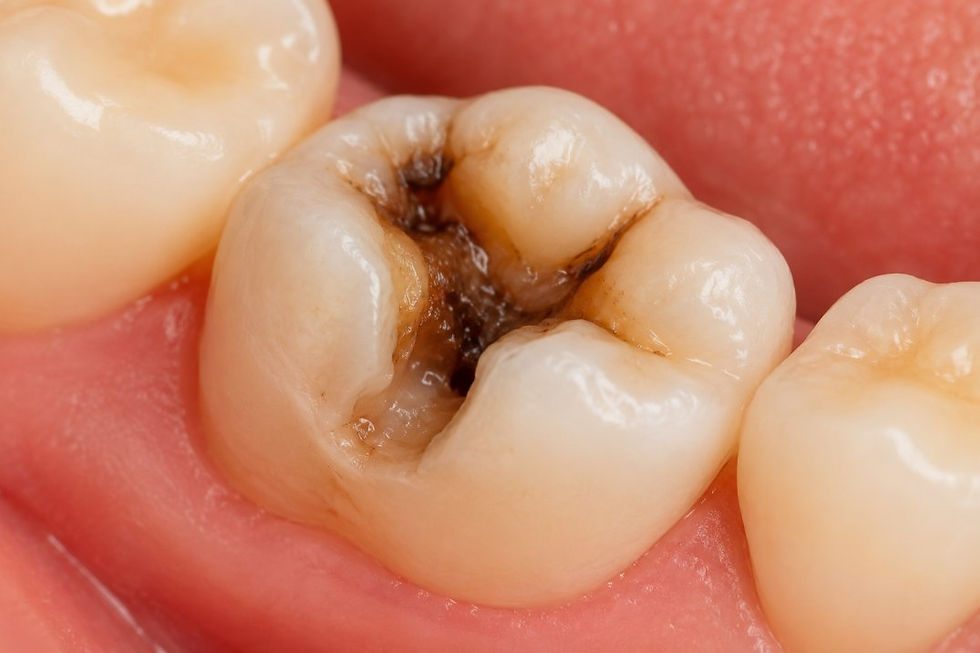
If tooth decay continues, the enamel begins to break down and small holes or cavities can develop. Since enamel does not contain nerves, some people may still not feel pain at this stage.
However, the tooth becomes more vulnerable because the protective outer layer has been damaged. Food particles and bacteria can enter these weakened areas and allow the decay process to continue.
Possible signs at this stage include:
Visible spots or holes on the tooth surface
Changes in tooth color
Mild sensitivity
Food getting trapped in certain areas
Treating tooth decay during this stage is usually easier because the damage has not yet reached the deeper parts of the tooth.
Stage 3: Dentin Damage and Increased Sensitivity
Once tooth decay reaches the dentin layer beneath the enamel, the condition can progress faster. Dentin is softer than enamel and contains tiny pathways that connect toward the inner part of the tooth. When tooth decay reaches the inner pulp of the tooth, the nerves and tissues inside the tooth can become affected.
Because of this, people may begin experiencing noticeable symptoms such as:
Sensitivity to cold or hot foods
Discomfort when eating sweets
Occasional tooth pain
Increased sensitivity while brushing
In these situations, dentists may consider endodontic treatment to remove infection and preserve the natural tooth.
Stage 4: Advanced Tooth Decay and Pulp Infection
The most advanced stage of tooth decay occurs when bacteria reach the inner pulp of the tooth. The pulp contains nerves and blood vessels, which means damage at this stage can cause significant pain and inflammation.
Symptoms may include:
Severe or persistent toothache
Pain that occurs without eating or drinking
Swelling around the tooth
Sensitivity that does not disappear
Possible infection
At this point, the problem requires professional dental care because the tooth structure and inner tissues have been affected.
Common Causes and Risk Factors of Tooth Decay
There are several reasons why tooth decay develops, and in most cases, it is caused by a combination of factors rather than a single habit. Understanding these risk factors can help you make better decisions about your oral health.
Poor Oral Hygiene
One of the main causes of tooth decay is allowing plaque to remain on teeth for long periods. When plaque is not removed through regular brushing and flossing, bacteria continue producing acids that weaken the tooth surface. advanced dental problems may require restorative treatments such as dental implants.
Good oral hygiene does not only prevent bad breath or a dirty feeling in the mouth; it plays a direct role in protecting enamel and preventing cavities.
Important habits include:
Brushing twice daily
Cleaning between teeth with floss or interdental brushes
Replacing toothbrushes regularly
Removing plaque before it hardens into tartar
Frequent Sugar Consumption
Sugar itself does not directly create cavities, but it provides fuel for bacteria that produce harmful acids. The more frequently teeth are exposed to sugar, the more opportunities bacteria have to attack enamel.
Common sources of added sugar include:
Soft drinks
Candy
Sweet snacks
Desserts
Sugary coffee or tea
Reducing frequent sugar exposure can significantly lower the risk of tooth decay.
Lack of Fluoride Protection
Fluoride is a mineral that helps strengthen enamel and makes teeth more resistant to acid attacks. Without enough fluoride exposure, teeth may become more vulnerable to the early stages of decay.
Sources of fluoride include:
Fluoride toothpaste
Professional fluoride treatments
Fluoridated water in some areas
Using fluoride correctly is an important part of preventing tooth decay.
Dry Mouth and tooth decay
Saliva plays an important role in protecting teeth. It helps wash away food particles, neutralize acids, and support the natural repair process of enamel.
When saliva production decreases, the risk of tooth decay can increase because harmful substances remain in contact with teeth for longer periods.
Dry mouth can be caused by:
Certain medications
Dehydration
Some medical conditions
Reduced saliva production
How to Prevent Tooth Decay
Preventing tooth decay is much easier than treating advanced dental damage. A consistent daily routine can protect your teeth and reduce the chance of developing cavities.
Maintain Good Oral Hygiene
Daily cleaning removes plaque before bacteria can create harmful acids.
Effective habits include:
Brushing twice a day with fluoride toothpaste
Flossing daily
Cleaning the tongue
Visiting a dentist regularly
These simple steps are among the most effective ways to prevent tooth decay.
Make Healthier Food Choices
Your diet has a direct impact on your risk of developing tooth decay. Instead of focusing only on how much sugar you eat, consider how often your teeth are exposed to sugary foods.
Helpful habits include:
Limiting sugary snacks between meals
Drinking more water
Choosing balanced meals
Avoiding frequent sugary drinks
Reducing repeated acid attacks gives your teeth more time to recover.
Regular Dental Check-ups
Many cases of tooth decay are easier to manage when detected early. Regular dental examinations allow dentists to identify small changes before they become larger problems.
A dental check-up can help detect:
Early enamel damage
Small cavities
Gum problems
Areas at higher risk of decay
Professional guidance helps maintain long-term oral health and prevents unnecessary complications.
Symptoms of Tooth Decay You Should Not Ignore
Early tooth decay may not cause symptoms, but as the condition progresses, different warning signs may appear.
Common symptoms include:
Tooth sensitivity
Pain when chewing
Visible holes or dark spots
Toothache
Bad breath
Swelling around the tooth
It is important not to wait until pain becomes severe. Dental problems are usually easier to manage when they are identified early.
Conclusion about tooth decay
Tooth decay is a gradual process that begins when bacteria and acids weaken the protective layers of teeth. Although it is one of the most common dental problems, it is also one of the most preventable.
Maintaining good oral hygiene, reducing frequent sugar intake, using fluoride products, and having regular dental check-ups are essential steps to prevent tooth decay.
Recognizing the early signs and addressing problems before they become severe can help protect natural teeth and maintain better oral health for years.
Frequently Asked Questions About Tooth Decay
What is the main cause of tooth decay?
The main cause of tooth decay is acid produced by bacteria in dental plaque. These acids gradually damage the enamel and other layers of the tooth.
Can tooth decay be reversed?
Early stages of tooth decay may be stopped or improved with proper oral care and fluoride. However, advanced decay usually requires professional dental treatment.
Does tooth decay always cause pain?
No. Early tooth decay often develops without pain. Symptoms usually appear when the damage reaches deeper layers of the tooth.


Comments